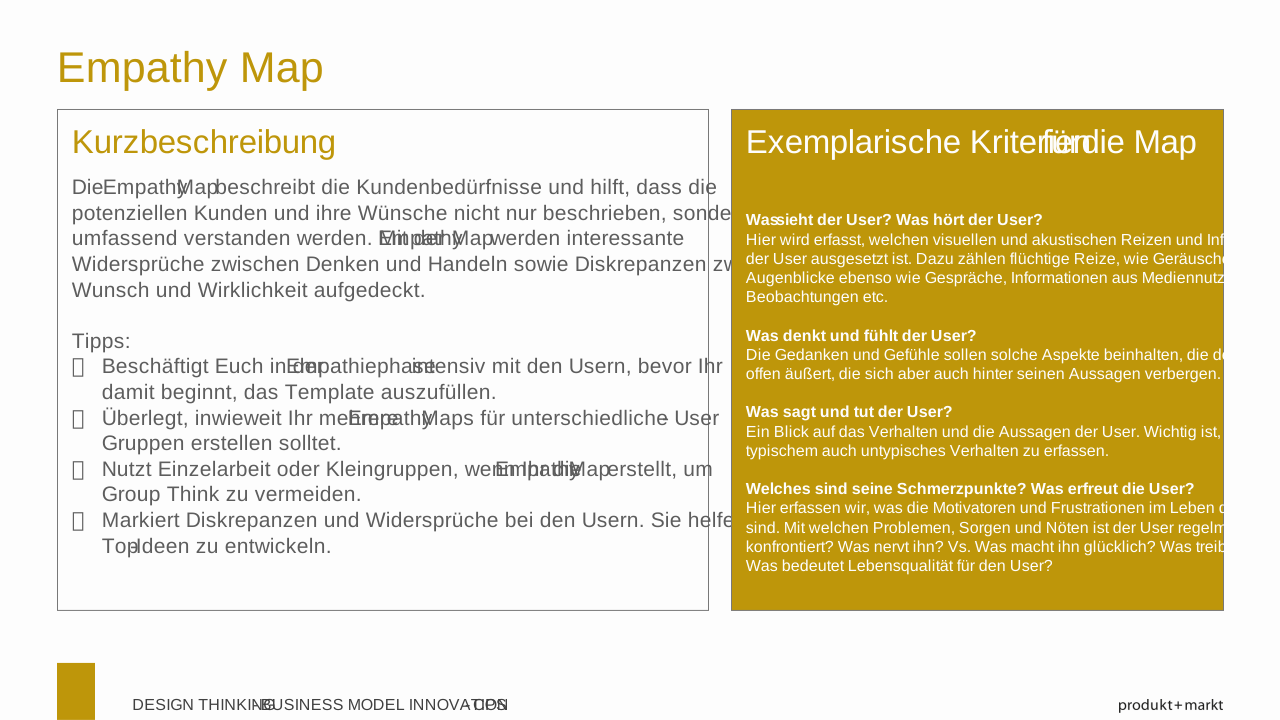

The Empathy Map includes the following categories:
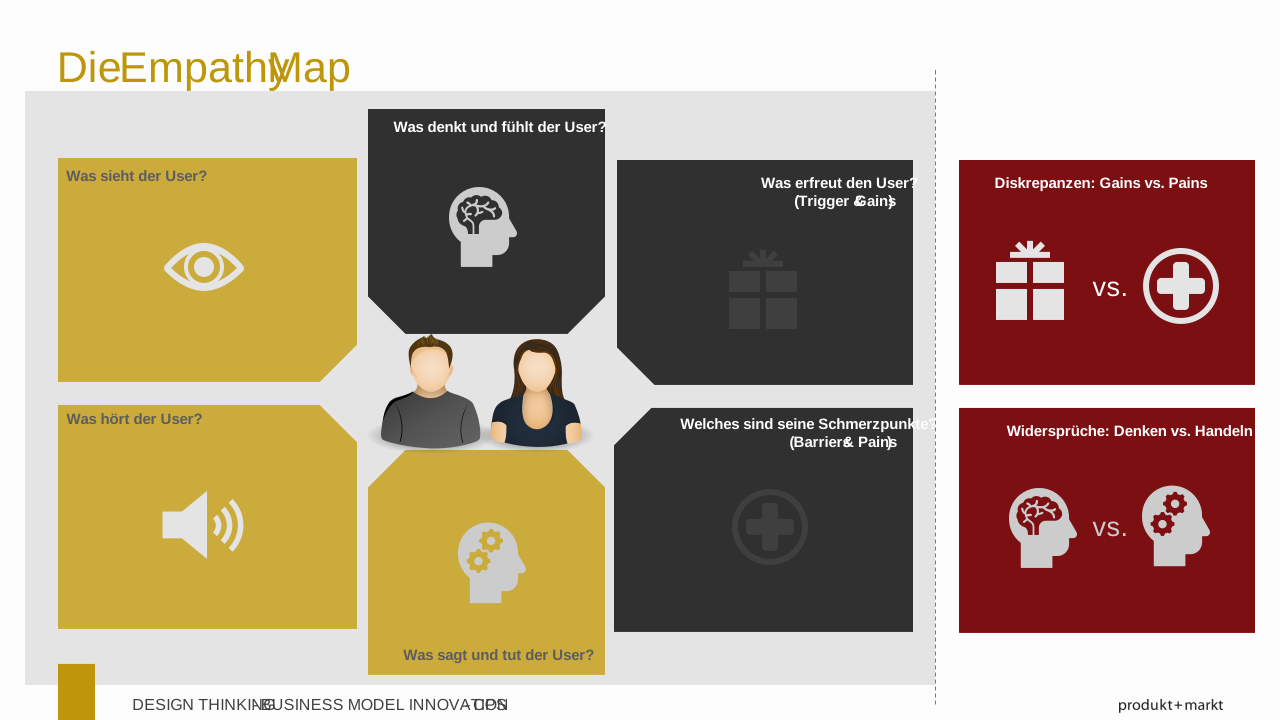
- What does the user see? What does the user hear?
- In these two fields, you capture the visual and auditory stimuli and information the users are exposed to.
- What does the user say and do?
- Here, you focus on the users' behavior and statements. It's important to capture both typical and atypical behavior.
- What does the user think and feel?
- The thoughts and feelings should include aspects that users openly express, as well as those hidden behind their statements. To fill this field, you need to interpret what is said and observed.
- What are their pain points? What delights the user?
- In these two fields, you capture the users' "Pains and Gains." These include motivators and frustrations, problems, concerns, and satisfaction drivers.
- Discrepancies and contradictions
- Here, you compare relevant benefits and desires with the associated annoyances or disadvantages.
- In the contradictions, you identify where users behave contrary to their desires and beliefs.